The Right Way to Approach Water Damage Carpet Drying
@waterdamagecarpetdryingdigest
October 14, 2026 · 7 min read
Why Speed Matters After a Water Event
When water soaks into a carpet, the clock starts ticking. I have seen carpets that look dry on top but stay wet underneath for days. That hidden moisture is what causes trouble. Mold can begin to grow within 24 to 48 hours, especially if the carpet pad and subfloor stay damp. This is where proper water damage carpet drying makes the difference between a simple restoration and a full-blown mold remediation project.
Many homeowners try to handle the situation with fans and towels. Those methods can help with surface moisture, but they rarely reach the deeper layers. A wet carpet pad acts like a sponge. If it stays wet, the carpet above it will eventually show signs of mold growth. That is why professional carpet water extraction is often the first real step. It pulls water from deep in the fibers and the pad below.
Assessing the Damage Before You Start
Before you begin any drying process, you need to know how far the water went. A moisture meter is a simple tool that reads the moisture level in the carpet and the subfloor. I recommend using one even if the carpet feels dry to the touch. Carpets can feel dry on the surface while the pad and subfloor remain saturated. That hidden moisture is what leads to black mold, including Stachybotrys chartarum, which thrives in consistently damp environments.
If the water came from a clean source, like a burst pipe, the drying process is more straightforward. If the water was contaminated, such as from a sewer backup or flood, the carpet may need to be discarded. In those cases, flood damage restoration professionals often recommend removal because the risk of bacteria and mold is too high. A mold inspection early on can tell you whether the carpet is salvageable or if it needs to go.
Setting Up the Drying Environment
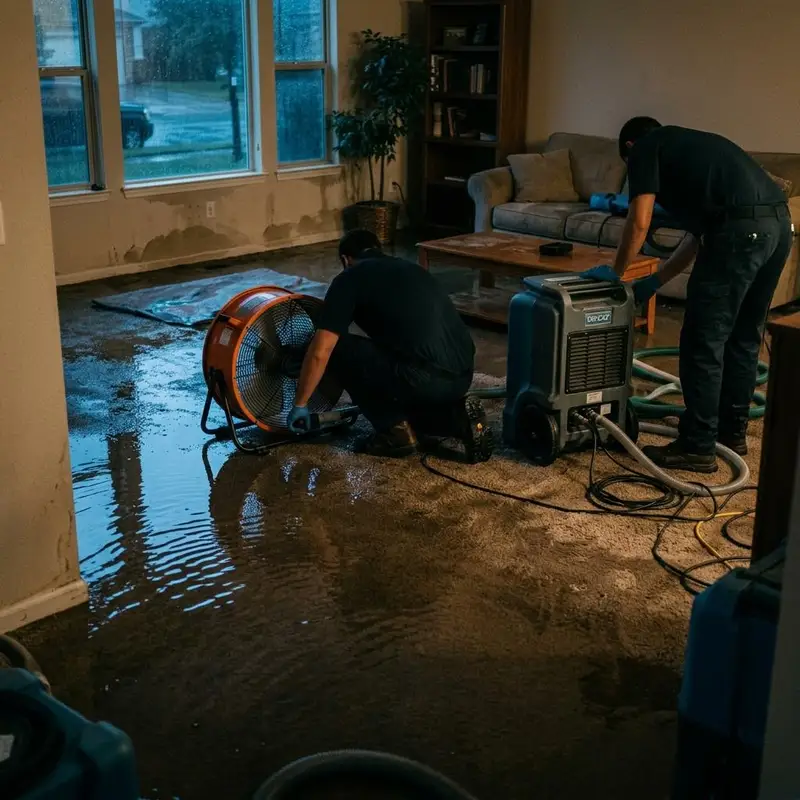
Once you confirm the carpet and pad are worth saving, the next step is to control the room's environment. You want to lower the relative humidity in the space as much as possible. A dehumidifier is essential here. It pulls moisture out of the air, which helps the carpet dry faster and prevents mold spores from settling in. Without a dehumidifier, the air stays humid and the carpet stays damp longer than it should.
Air movers are another key piece of equipment. Unlike a standard fan, an air mover directs a high-velocity stream of air across the carpet surface. This speeds up evaporation and helps pull moisture from the carpet fibers. I have seen setups where people place air movers at an angle, blowing across the carpet rather than straight down. That creates a drying effect that reaches more surface area. Combined with a dehumidifier, this setup can cut drying time in half.
For larger areas, a professional carpet dryer is often used. These are high-powered units designed for continuous operation. They move a lot of air and can be left running for days if needed. The goal is to keep air moving until the moisture meter reads below 15 percent in both the carpet and the subfloor. Anything above that and you risk mold growth.
Dealing with the Carpet Pad and Subfloor
The carpet pad is often the weak link. Even after thorough carpet water extraction, the pad can hold water. If the pad is wet, it will keep the carpet damp from below. In many cases, the pad must be removed and replaced. This is not always a simple job. The carpet must be pulled back carefully, the old pad cut out, and a new one installed. Subfloor drying then becomes the priority. If the subfloor is wood or concrete, it may need several days of drying with air movers and a dehumidifier before the new pad goes in.
Concrete subfloors can be tricky. They do not absorb water the way wood does, but they can trap moisture beneath the surface. A moisture meter designed for concrete is needed here. If the subfloor stays damp, mold can grow on the underside of the new pad and eventually work its way up into the carpet. I have seen this happen more times than I can count. The extra effort of subfloor drying is worth it to avoid a repeat problem.
Cleaning and Treating the Carpet
Once the carpet is dry, it still needs to be cleaned. Water damage often leaves behind dirt, bacteria, and other contaminants. Carpet steam cleaning is an effective method for deep cleaning after a water event. The heat helps kill bacteria and loosen debris that was trapped in the fibers. After steam cleaning, the carpet will be wet again, so you need to repeat the drying process. This is where the phrase water damage carpet drying comes back into play. You cannot skip the second drying cycle just because the carpet looks clean.
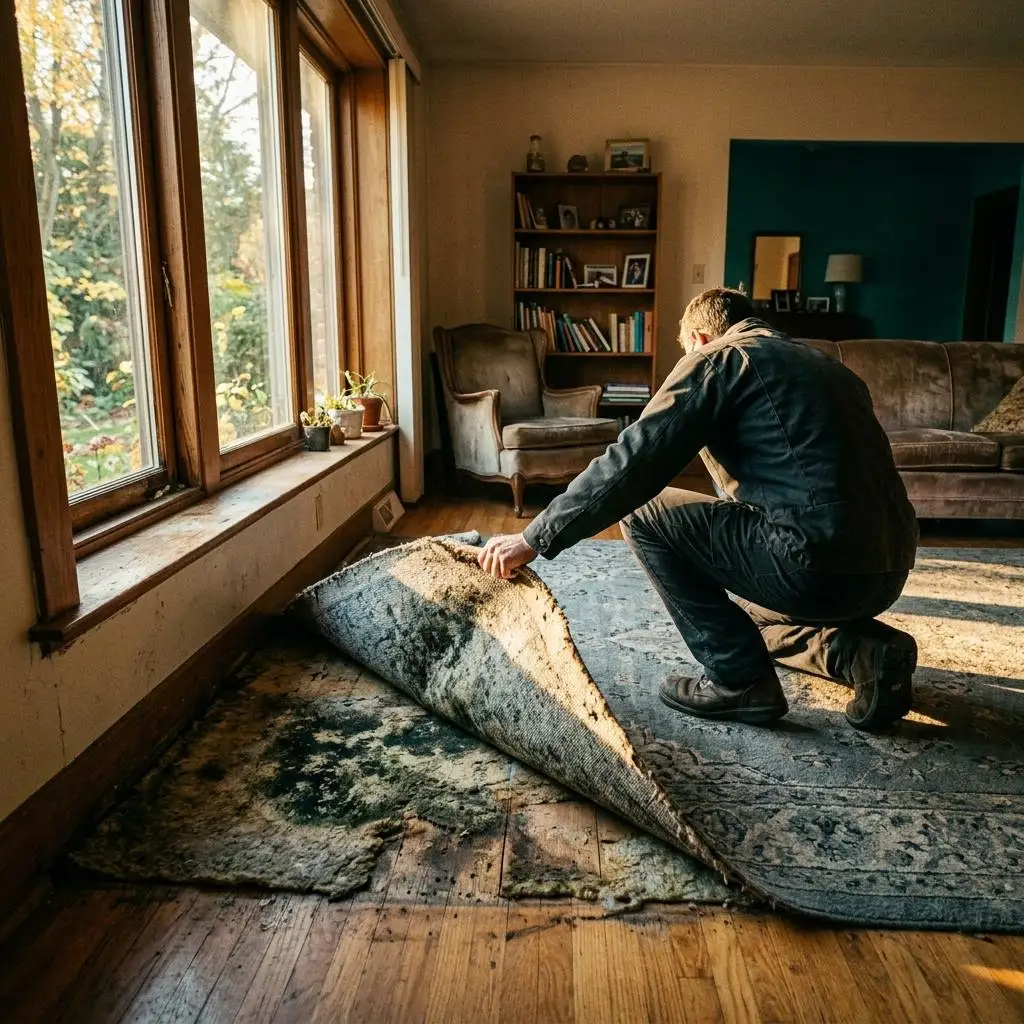
Anti-microbial treatment is another step that is often overlooked. A bactericide or fungicide can be applied to the carpet fibers and the subfloor before the new pad goes in. This creates a barrier that prevents mold and bacteria from regrowing. Some treatments include encapsulation, which seals the fibers and makes it harder for moisture to soak in again. Ozone treatment is another option for odor removal, especially if the water came from a flood or sewage backup. Ozone breaks down organic compounds that cause smells, but it must be used in an unoccupied space because the gas is harmful to breathe.
For allergy sufferers, a HEPA vacuum is a good tool to use after the carpet is completely dry. It picks up mold spores, dust mites, and other particles that can cause respiratory issues. Even if you have used anti-microbial treatment, a HEPA vacuum adds an extra layer of protection.
When to Call a Professional
There is a limit to what a homeowner can do alone. If the water damage covers more than a few square feet, or if the water has been sitting for more than 24 hours, I recommend calling a mold remediation specialist. The cost of professional equipment and expertise is often less than the cost of dealing with a mold problem later. Professionals have access to industrial-grade dehumidifiers, air movers, and moisture meters. They also know how to test for hidden moisture in walls and subfloors.
Mold inspection after a water event is another service worth considering. An inspector can find mold that you might not see, especially in places like the carpet pad, under baseboards, or inside wall cavities. If black mold or Stachybotrys chartarum is found, the remediation process must follow strict safety protocols. This includes sealing off the area, using negative air pressure, and disposing of contaminated materials properly. Carpet cleaning alone will not remove established mold colonies.
In my experience, the most common mistake people make is rushing the drying process. They want the carpet to be dry so they can move furniture back in and get on with life. But water damage carpet drying is not a job you can rush. If the subfloor is still damp, the carpet will eventually show signs of mold. That means pulling everything up again and starting over. A few extra days of drying now can save you weeks of remediation work later.

Key Equipment for Effective Drying
- A moisture meter to check carpet, pad, and subfloor
- A dehumidifier to lower relative humidity in the room
- An air mover to circulate air across the carpet surface
- A HEPA vacuum for final cleanup after drying
- Anti-microbial treatment to prevent mold regrowth
Final Thoughts on the Process
Water damage to a carpet is not just a cosmetic issue. It is a structural and health issue that requires a systematic approach. From the moment water hits the carpet, every decision matters. The choice to use a dehumidifier instead of a fan, the decision to pull the carpet pad, the selection of an anti-microbial treatment, each step affects the outcome. Proper water damage carpet drying is the foundation that all other restoration work depends on. Without it, no amount of cleaning or treatment will prevent mold from coming back.
If you are dealing with a wet carpet, start with a moisture meter and work from there. Do not assume the carpet is dry just because it feels dry. Use the right tools, give the process time, and when in doubt, call someone who does this every day. Your carpet, your subfloor, and your respiratory system will thank you.